UG and PG programs | B.E – CET : E139 | M.Tech – PGCET : T962 | MBA – PGCET : B186
To serve the people of the country by providing a broad and high quality education to the students for a successful professional career.
To conduct strong basic and applied research for national needs.
To serve the construction industry; civil engineering profession and rural community through dissemination of knowledge and technical services.
To serve as a hub of excellence in Artificial Intelligence and Machine Learning, offering high-quality education and research that addresses the demands of both industry and society.
PEO1: Skilled professionals in Artificial Intelligence and Machine Learning equipped to pursue careers across various domains and advance in higher education.
PEO2: Experienced in crafting inventive solutions for real-world challenges that are technically robust, economically feasible, and socially embraced.
PEO3: Adept at collaborating within teams and embracing emerging technologies in alignment with societal demands, all while upholding ethical principles.
PSO1: Co-design of hardware and hardware-software integration: Proficiency in recognizing, designing, simulating, analyzing, and constructing AI and ML models, utilizing contemporary engineering tools and programming languages.
PSO2: Specialized skills within a particular domain: The capability to function effectively in roles such as AI/ML Engineer, Data Scientist, Business Analyst, Product Analyst, Research Scientist, and Robotics Professional.
ICEAS
1. Data Structures and Applications
2. Design and Analysis of Algorithms
3. Python Programming
4. Database Management System
5. Java for Mobile Applications
6. Mobile Application Development Laboratory
7. AI and ML Application Development Laboratory
Civil engineering involves designing, constructing, and maintaining infrastructure like bridges, dams, roads, and buildings to serve the public. It focuses on projects that ensure safety, sustainability, and functionality in the physical environment.
Key branches include structural, geotechnical, transportation, environmental, water resources,
construction, and hydraulic engineering. Each specializes in areas like building stability, soil
analysis, traffic systems, and pollution control.
Core subjects cover structural analysis, geotechnical engineering, fluid mechanics, transportation engineering, surveying, and materials science. These build foundational skills in design, testing, and project execution.
Graduates work as structural engineers, project managers, site supervisors, transportation planners, or environmental consultants in government, consulting firms, or construction companies.
Essential skills include problem-solving, technical software proficiency, knowledge of codes and
standards, teamwork, and project management abilities.
Preparation involves reviewing core concepts, practicing technical questions on design and materials, building a portfolio of projects, and demonstrating soft skills like communication.
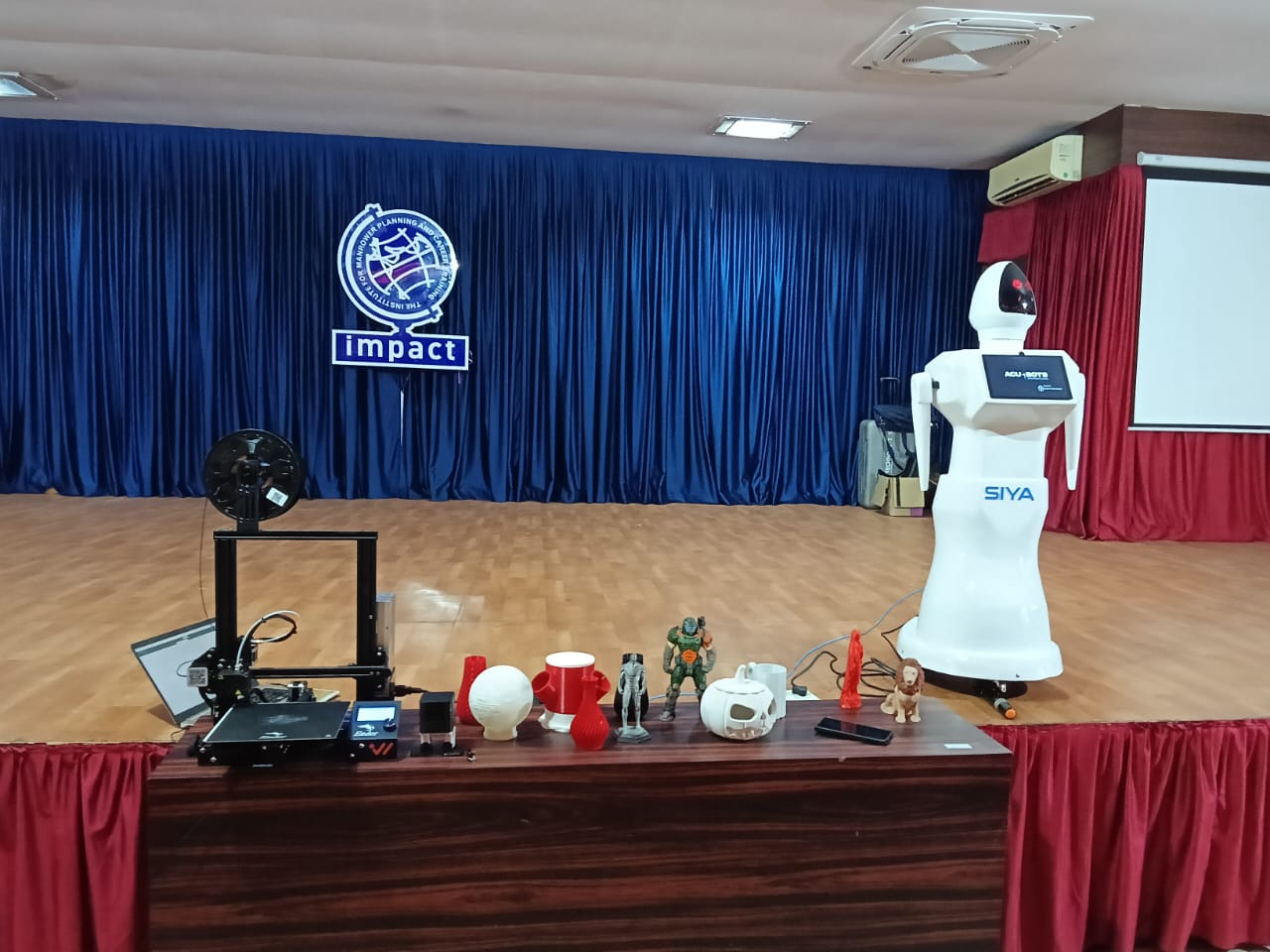
Trends feature BIM, drones for surveying, AI in design, 3D printing, and smart materials for resilient infrastructure.
Assessments use EIA processes to evaluate pollution, habitat loss, and mitigation measures like
erosion control.
Many programs require internships for hands-on experience; they are highly recommended to apply theory and build networks.
Common tools include AutoCAD, STAAD.Pro, ETABS, SAP2000, Revit, and GIS for design, analysis, and modeling.
Students should master AutoCAD for drafting, ANSYS for simulation, and BIM tools like Revit for integrated project delivery.
Yes, students join faculty-led research in areas like sustainable materials, seismic design, and smart cities through labs or theses.
Facilities typically include concrete, soil mechanics, hydraulics, structures, and surveying labs for
testing and experiments.
Specializations include MS or certifications in structural, environmental, or transportation engineering via electives or postgraduate studies.
Process involves a bachelor's degree, passing FE and PE exams, gaining 4 years of experience, and ethics training.
Civil engineers plan, design, supervise construction, ensure compliance with standards, and manage site operations from feasibility to maintenance.
Geotechnical engineering studies soil and rock behavior to design stable foundations, retaining walls, and earthworks for safe structures.
Structural engineering focuses on analyzing and designing load-bearing elements like beams and frames, unlike geotechnical (soils) or transportation (roads) branches.
Engineers adhere to codes like ASCE 7, Eurocodes, or national building regulations for load,
seismic, and wind resistance to protect public safety.
Design involves traffic flow analysis, pavement materials, alignment, and signals; management includes maintenance and capacity upgrades.
Contributions include using eco-friendly materials, energy-efficient designs, waste reduction, and green infrastructure like permeable pavements.
Soil testing assesses bearing capacity and stability to prevent failures; site investigations inform
foundation design and risk mitigation.
They design dams, canals, treatment plants, and flood controls to ensure supply, quality, and flood
prevention.
They collaborate with architects, mechanical engineers, contractors, and regulators through
coordinated design and BIM platforms.
Civil engineers design resilient structures, retrofits for earthquakes/floods, and rapid response infrastructure repairs.
Teamwork is critical for integrating multidisciplinary inputs, resolving issues, and delivering complex projects on time.
Challenges include climate change adaptation, urban congestion, material costs, regulatory compliance, and skilled labour shortages.
It enables efficient transport, green spaces, IoT-integrated utilities, and sustainable housing for liveable urban environments.
Start with courses in planning, take certifications like PMP, intern on sites, and lead student projects.
Lorem ipsum dolor sit amet, consectetur adipiscing elit. Ut elit tellus, luctus nec ullamcorper mattis, pulvinar dapibus leo.
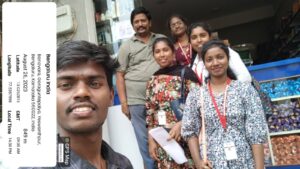
MBA Students Industrial visit to Bangalore Metro stations(25-08-2023) to know the startup issues – Entrepreneurship opportunities and Challenges
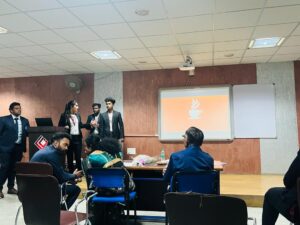
MBA students Participated in the “Business plan-Inter collegiate competition” -ideate 2023 held in Koshys college(28-09-23)-To orient on Business Planning and Launching an Enterprise
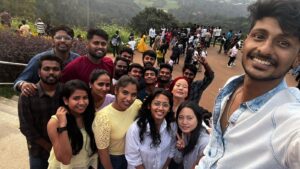
Industrial visit to Coorg Coffee Estate -to make the aware Coffee industry and opportunities(27-29, October 23)
ICEAS
Welcome to the ICEAS Admission Cell. Please fill in the application form below, ensuring all mandatory details are completed. Submit the form, and our team will contact you.
ICEAS




"*" indicates required fields